
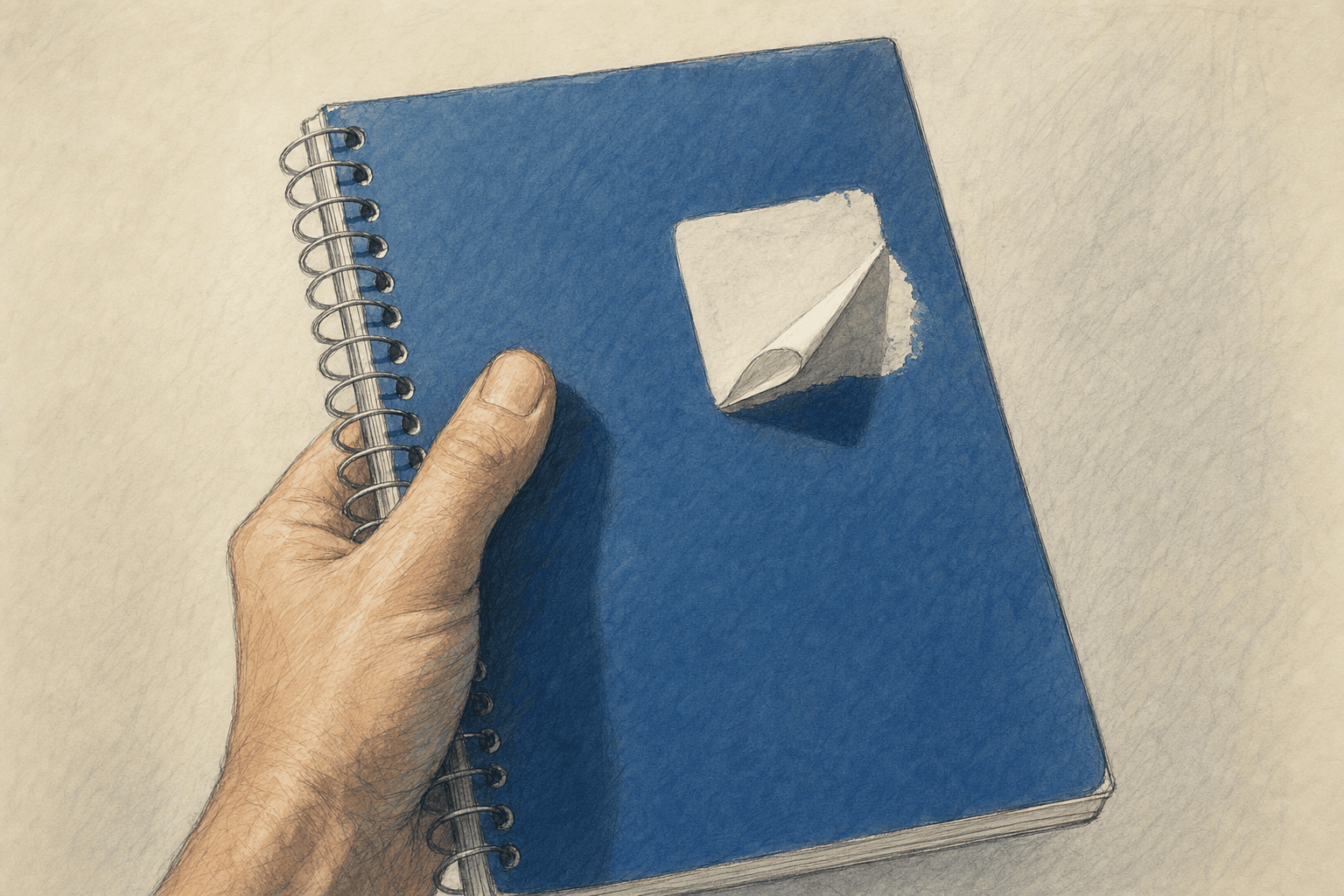
There are a hundred ways to tell a story about school supplies. The teacher who buys her own glue sticks. The retailer running a loss-leader on crayons. The tax-free weekend. I want to narrow it to one number, because one number does the explaining: $175.
That is roughly what a family will spend this year on the standard first-day pile of school items — notebooks, index cards, scissors, a lunch box — according to an analysis released in late July by Groundwork Collaborative and The Century Foundation. The basket is up nearly 8% from 2025. The typical school lunch basket is up 11%. Add packed lunches for the year, about $3,800, and the two think tanks put the total near $4,000 per student for the 2026-27 school year.
Here's the argument, and then I'll earn it: the increase isn't happening at the checkout counter. It's happening upstream, and Rhode Island families absorb it more directly than families in most states.
Local sponsorAffordable photography lessons in Newport, Jamestown, or your town.E.L. Photo RIFirst, the mechanics. This isn't a shopper survey. The analysis uses weekly retail transaction data on millions of products, collected by NielsenIQ from about 50,000 retailers, comparing the week ending July 4 against the same week in 2025. That's actual sales, not vibes.
And the items tell the story better than the averages. A one-subject notebook: $4.92, up 23%. Index cards: $3.86, up 22%. Glue sticks: $7.68. A lunch box: $18.91, up 27%. Then the food — sandwich bread at $4.36, up 22%; apple juice at $4.14, up 20%; animal crackers up nearly 16%; blueberries up 48%, to $4.89. Pile it up and the list itself becomes the argument.
Why? Two reasons, per the analysis: tariffs on imported goods and higher energy costs, with ordinary inflation underneath. Most of this stuff — pens, markers, notebooks, glue — is made overseas. The Century Foundation points to Newell Brands, the company behind Sharpie, Paper Mate, Expo and Elmer's, which raised prices repeatedly in 2025 while absorbing $174 million in tariff costs and expects another $130 million this year. ACCO Brands, which owns Mead, Five Star, Trapper Keeper and Swingline, faced the same pressure and also raised prices. Corporate cost, consumer price. The chain is short and it is legible.
Now the Rhode Island part, which is where a national percentage becomes a local bill.
Rhode Island covers about 38% of K-12 education spending — a low share — leaving districts leaning hard on local property taxes, according to the Rhode Island Foundation's Blue Ribbon Commission report released in January. That report urged rewriting the funding formula and raising the state share from $1.57 billion to $2.16 billion. When supply budgets are thin, the shortfall doesn't vanish. It gets mailed home as a list.
It also lands on teachers. Rhode Island educators spend an average of $538 a year of their own money on classroom supplies, above the $459 national average and among the highest in the country. A sixth-grade social studies teacher in Warwick told U.S. News she typically spends $200 to $300 herself. Now run this year's 8% through that number and you can see who eats it.
And the families least able to eat it are more numerous than they were. Rhode Island school personnel identified 1,994 students as homeless during the 2024-25 school year, a 36% increase from 2021-22, per the RI KIDS COUNT Factbook. The same data set puts the basic-needs benchmark at $25,938 for a family of three with two children and $32,649 for a family of four — with the caveat that families earning three times those figures may still be stretched by rent, gas and groceries.
Nationally, nearly half of parents — 45% — said they plan to take on debt to cover back-to-school shopping, in a Credit Karma survey cited by the think tanks. Plan to. Not have. The distinction matters, but so does the fact that it's the second-biggest shopping season of the year after Christmas. "Families are going to be facing a lot of pain this school year," said Lindsay Owens, who leads Groundwork Collaborative.
One could say families have already adjusted — shoppers expect to spend about $611 this year, roughly $130 less than last year, and roughly a fifth say they'll buy secondhand or hunt for free options. True. But spending less on more expensive goods is not relief. It's rationing.
No Rhode Island state official has announced assistance aimed at these specific increases. What exists is the funding-formula fight the Rhode Island Foundation started in January — the 38% question — and it will be settled at the State House, not the school-supply aisle.
So: $175. That's the number to watch on your receipt this month, and the number nobody in Providence has yet offered to help you with.